Everyone Has Mental Health - Let’s Talk About It
This month I’m taking part in the push-up challenge for mental health. On day three (target 100 push-ups), I collapsed mid-set - to be honest, I overestimated how many full push-ups I could actually do! And while my arms were burning, what really hit me was how, in so many situations, we still avoid talking about mental health as if it’s awkward or uncomfortable.

That’s why I’m doing this challenge - it’s not about push-ups at all.
It’s about starting conversations.
It’s about building real connection.
It’s about being honest about what it means to be human.
It’s about creating spaces where people feel safe enough to show up as they are, and say how they truly feel.
It’s about knowledge that reduces fear.
It’s about people feeling seen, heard, and supported in the small moments that quietly make a big difference.
It’s about changing the way we talk about mental health - and recognising that healing happens collectively, one conversation at a time.
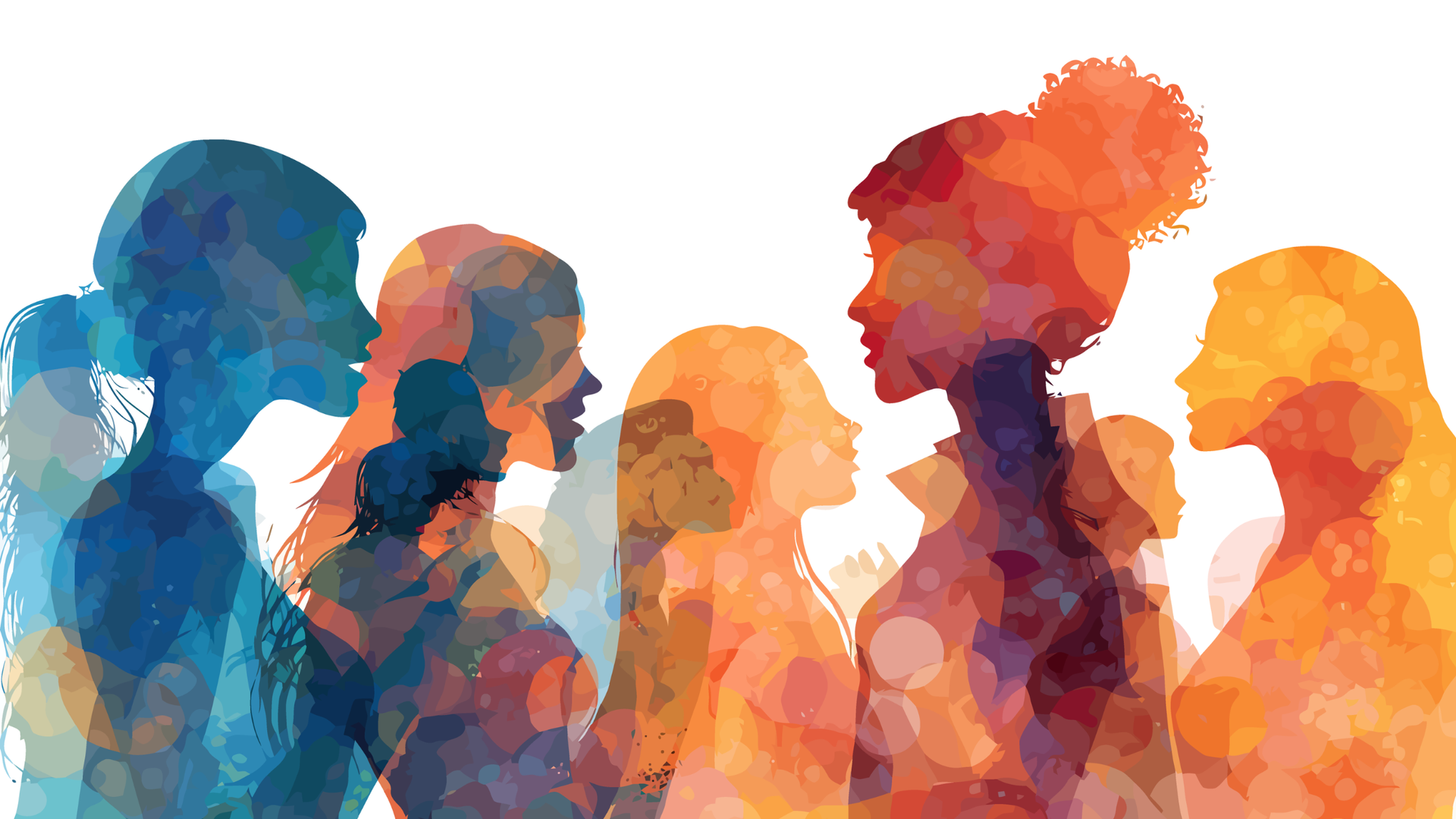
Mental health isn’t something only some of us carry. Not just when things fall apart. Not just when someone has a diagnosis - it’s about real life, and it crosses every boundary: age, culture, religion, gender identity, ability, background, and experience. It’s something every single one of us experiences, every day.
Good Days and Harder Days
We all have good days, and we all have harder days. Days when everything feels manageable, and days when it takes extra effort to show up. And yet, for something so universal, mental health can still feel hard to talk about.
When we hear “mental health,” we often think of emotions, stress, or struggle. “Physical health” brings to mind strength, fitness, and healthy eating. If someone pulls a muscle, we ask what happened. But if someone shares they’re anxious or struggling, it can suddenly feel awkward.
That hesitation isn’t truth, it’s stigma. Let’s start shifting that.
The Numbers Behind the People
In Aotearoa, 1 in 7 adults (14.3 %) experienced high or very high psychological distress in the past four weeks. Distress levels are higher for younger people (e.g., 22.9 % of those aged 15–24). (2024-2025 NZ Health Survey)
And around the world, approximately 2000 people die by suicide every day. These aren’t abstract numbers... they’re friends, colleagues, whānau, and the people we love and care about. Behind every statistic are real stories and real nervous systems doing their best to cope with stress, pressure, and past experiences.
Small Moments Matter
When I tell someone I’m doing push-ups for mental health, they pause. They smile. Sometimes they share a little piece of their own truth. Sometimes it’s just a nod, like, “Yep, this matters.” Those moments might seem tiny, but they’re the ones that remind us we’re not as alone as we sometimes feel.
This challenge isn’t about getting people to spill their deepest secrets. It’s about gently widening the circle of what we consider okay to talk about. Having hard days doesn’t make you broken - it makes you human. And yes, sometimes it even makes you the kind of person who collapses mid-push-up while trying to look heroic.
Each push-up is a little reminder that caring for mental health is an active process. Just like physical fitness, it’s nurtured through small, consistent actions: moving our bodies, resting when we need it, connecting with others, noticing when something feels off, and figuring out what helps us feel steady and supported. These tiny, everyday choices build resilience over time, just like muscles do.
The Push-up Challenge and Why It Matters
Some days, the challenge feels energising. Other days, it feels like a grind. That mirrors life. Strength isn’t about never struggling... It’s about recognising our limits and still choosing to care for ourselves and others.
If this challenge does anything, I hope it normalises a simple truth: everyone has mental health. Talking about it shouldn’t be reserved for crisis moments. It can live in everyday conversations, at work, at home, and in our communities, in ways that are safe, compassionate, and grounded in respect for each person’s story.
A few push-ups won’t change the world. But the conversations they spark might. That’s where understanding grows, connection deepens, stigma softens, and people feel a little less alone in having both good days and bad.
That feels worth showing up for.